

How to Photograph People Naturally and Capture Genuine Expressions
The hardest part of photographing people is rarely the camera setting. It is the moment when someone becomes aware of the camera and their face freezes.
A natural portrait feels alive because the person in it looks present, not posed into a version of themselves. Their shoulders relax. Their eyes respond to something real. Their expression has a beginning and an afterglow. That kind of photograph does not happen by accident, but it also does not come from telling someone to “just act natural.”
Good people photography is part technique, part timing, and part human connection. The camera matters, but the experience you create around the camera matters more. If the person feels watched, judged, or rushed, it shows. If they feel comfortable and lightly guided, they give you something much better than a perfect smile. They give you a real one.
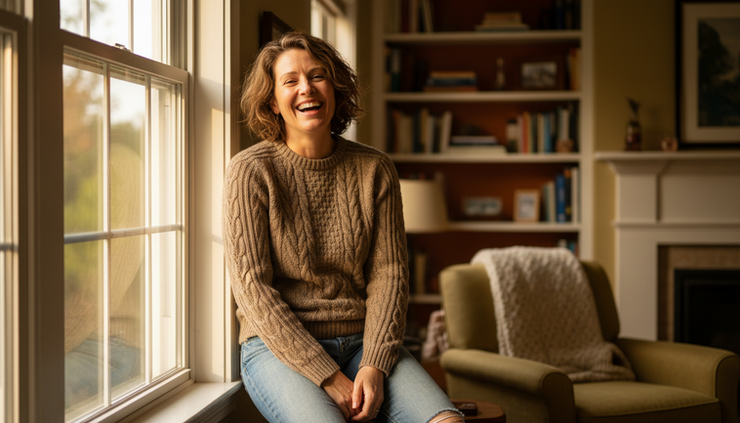
Start with comfort before you start with poses
People often tense up because they do not know what to do with their body, face, or hands. They are trying to help, but they are also self-monitoring. That is why the first few minutes of a session should not feel like a performance.
Before raising the camera, have a simple conversation. Ask about something easy and specific. The goal is not to interview them. The goal is to move attention away from the lens.
Try questions like:
What kind of photos do you usually like of yourself?
Is there anything you do not want me to focus on?
Do you prefer calm photos, playful photos, or a mix?
What would make this feel easier?
These questions do two things. They give you useful information, and they help the person feel included. That sense of control matters. A subject who feels trapped by the process will look guarded. A subject who feels respected will soften.
Give clear expectations too. Say what will happen next in plain language.
For example:
“I'm going to take a few easy test frames first. These are just to check the light, so there is no need to do anything special.”
That one sentence removes pressure. Many of the best images happen during these “test” frames because the person stops trying so hard.
Keep your own energy calm. If you fuss with your camera, apologize often, or react badly to a frame, the person will assume they are doing something wrong. If you need to adjust, keep it simple.
Say, “That light is nice, I'm just shifting a little to make it cleaner.”
The more relaxed you are, the more relaxed they can be.
Use simple direction that gives people something to do
Most people are not trained models. They do not need complex posing instructions. They need small, clear actions.
A natural photograph usually comes from movement, not from holding still for too long. When someone locks into a pose, their face often locks too. Give them something light to do, then photograph the moment before, during, and after.
Instead of saying, “Smile naturally,” try:
Walk toward me slowly and look at the ground for a second.
Turn your shoulders toward the window, then bring your eyes back to me.
Take a breath and let your shoulders drop.
Look over at that tree, then back when you are ready.
Lean on the railing and shift your weight to one foot.
Tuck your hair behind your ear, then leave your hand there for a second.
These directions work because they create motion and remove the burden of inventing an expression. The person is not thinking, “What should my face do?” They are completing a small action.
Avoid over-directing the face. The more you talk about someone’s mouth, smile, chin, or eyes, the more aware they become of those features. Guide the body first. The face often follows.
Hands deserve special attention. Nervous hands can make an otherwise warm portrait feel stiff. Give hands a job:
Hold a mug.
Rest one hand in a pocket.
Touch a jacket sleeve.
Hold a book, hat, flower, or camera.
Let both hands loosely clasp in front.
Place one hand on a railing, chair, or wall.
The object should make sense for the person and location. A prop should never feel like a costume. If it gives the hands something natural to do, it helps. If it becomes the point of the image, it may distract.
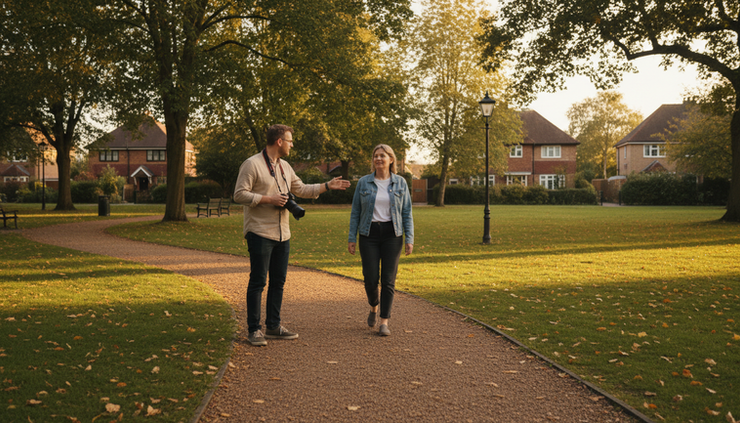
Read the light, then protect the mood
Beautiful light helps people look natural because it reduces the need for heavy correction or awkward positioning. Soft light is forgiving, especially for portraits. It smooths hard shadows and lets expressions take the lead.
Look for:
Open shade beside a building
Window light with the subject turned slightly toward it
Cloudy outdoor light
Backlight near sunrise or sunset
Reflected light from a pale wall or sidewalk
Bright midday sun can work, but it often causes squinting and tense faces. If the sun is high, move the person into shade or turn them so the sun lights the back of their head and shoulders. Then expose for the face.
Light matters, but mood matters too. If you spend too long hunting for the perfect patch of sunlight, the person may lose energy. Choose good light, not mythical light. A slightly imperfect location with a relaxed person will beat perfect light with a tense expression.
Keep your setup simple. If you are photographing someone casually, a large crew of gear can make the session feel serious in the wrong way. One camera, one lens, and maybe a reflector are often enough.
A 35mm, 50mm, or 85mm lens can all work well, depending on space and style. A wider lens includes more environment and can feel intimate when used thoughtfully. A longer portrait lens gives flattering compression and more background blur. The best choice is the one that lets you keep talking, moving, and watching the person instead of constantly rearranging gear.
Pay attention to your position. Shooting slightly above eye level can feel gentle and flattering for close portraits. Shooting from too low can make the image feel imposing unless that is your intent. For children, sit or kneel so the camera meets them at their level. The photo will feel more connected.
One practical setting helps with natural expression: use a shutter speed fast enough to catch movement. People blink, laugh, turn, and shift. If your shutter is too slow, the best expression may blur. In good light, start around 1/250 second for casual movement and go faster if the person is walking or playing.
Capture the moment around the expression
A genuine expression is often part of a sequence. If you only press the shutter after you see the smile, you may miss the best frame. The build-up and the release are often stronger than the peak.
Watch for these moments:
The small smile before a laugh
The breath after a laugh
The look someone gives when they hear a loved one speak
The thoughtful pause after a question
The unguarded face between directions
This is where photographing people naturally becomes less about posing and more about attention. Stay ready when you lower the camera. Sometimes a person relaxes right after they think the shot is done. Keep watching, but do not make them feel stalked by the lens. There is a balance between being alert and being intrusive.
Use gentle prompts that invite real reactions. Humor can work, but forced jokes can make people cringe. Instead of trying to be a comedian, create a situation.
Ask someone to:
Tell you how they met their best friend.
Describe their favorite meal.
Look at a family member and try not to laugh.
Say something kind to the person beside them.
Walk together without matching steps.
Whisper a ridiculous word, if the mood fits.
The best prompts match the person. A quiet person may not enjoy playful chaos. A high-energy family may not connect with still, serious direction right away. Let the subject’s personality set the pace.
Do not demand constant happiness. Natural expression includes calm, thoughtfulness, softness, and confidence. Some of the strongest portraits do not involve a smile at all. If someone has a quieter presence, let the portrait honor that.

Give feedback that builds trust
The way you speak during a session shapes the photos. People listen for clues. If you go silent, they may assume the images look bad. If you overpraise every frame, your words start to feel empty.
Use specific, steady feedback.
Try saying:
“That shoulder angle works well. Keep that.”
“Your expression softened there. That looked great.”
“The way you looked off-camera felt very natural.”
“Let's do one more like that, but with slower movement.”
“That was close. The moment right after the laugh is what I want.”
Specific feedback tells someone what to repeat. It also proves that you are paying close attention, not just clicking.
Show a good frame early if it helps. Not every photographer likes to show the back of the camera, and you do not need to show every shot. But one strong image can calm a nervous subject. It gives proof that the session is working.
Be careful with critical language. Avoid saying things like:
“That looks awkward.”
“Don't smile like that.”
“Your hands look weird.”
“No, not that.”
Even if the comment is technically true, it can make the person retreat. Replace it with direction.
Say, “Let's let your hands relax at your sides,” or “Try a smaller smile and look just past me.”
Your subject should leave feeling seen, not inspected.
Edit for honesty, not perfection
Natural portraits can lose their life in editing. Heavy skin smoothing, overly bright eyes, extreme color shifts, and too much sharpening can make a real person look artificial.
Aim for edits that support the feeling of the moment. Adjust exposure, contrast, white balance, and crop. Clean up temporary distractions when needed, such as lint on clothing or a bright object at the edge of the frame. Be cautious with anything that changes the person’s features.
A good edit should make the viewer notice the expression first.
Skin has texture. Eyes have small shadows. Hair moves. Clothing wrinkles. These details are part of being human. Removing every sign of reality can weaken the portrait.
Cropping also changes the emotional tone. A close crop can feel intimate and direct. A wider crop can tell more of the story, showing the room, landscape, or relationship between people. Before cropping, ask what the photograph is really about. If it is about a glance, move in. If it is about connection or place, give the frame room to breathe.
When choosing final images, do not look only for technical perfection. A slightly messy frame with a real expression may matter more than a flawless frame with a blank face. Sharpness matters, but emotion carries the image.

Take better portraits by paying better attention
Natural people photography starts long before the shutter click. It starts with the way you greet someone, explain the process, choose the light, and respond to their nerves. The camera records the expression, but your presence helps create the conditions for it.
Keep the session simple. Give people small actions. Watch the moments between poses. Offer feedback that helps rather than corrects. Edit with a light hand.
The next time someone stiffens in front of your lens, do not ask for a better smile. Give them something real to respond to. That is where genuine expressions begin.


Comments